Founder Story
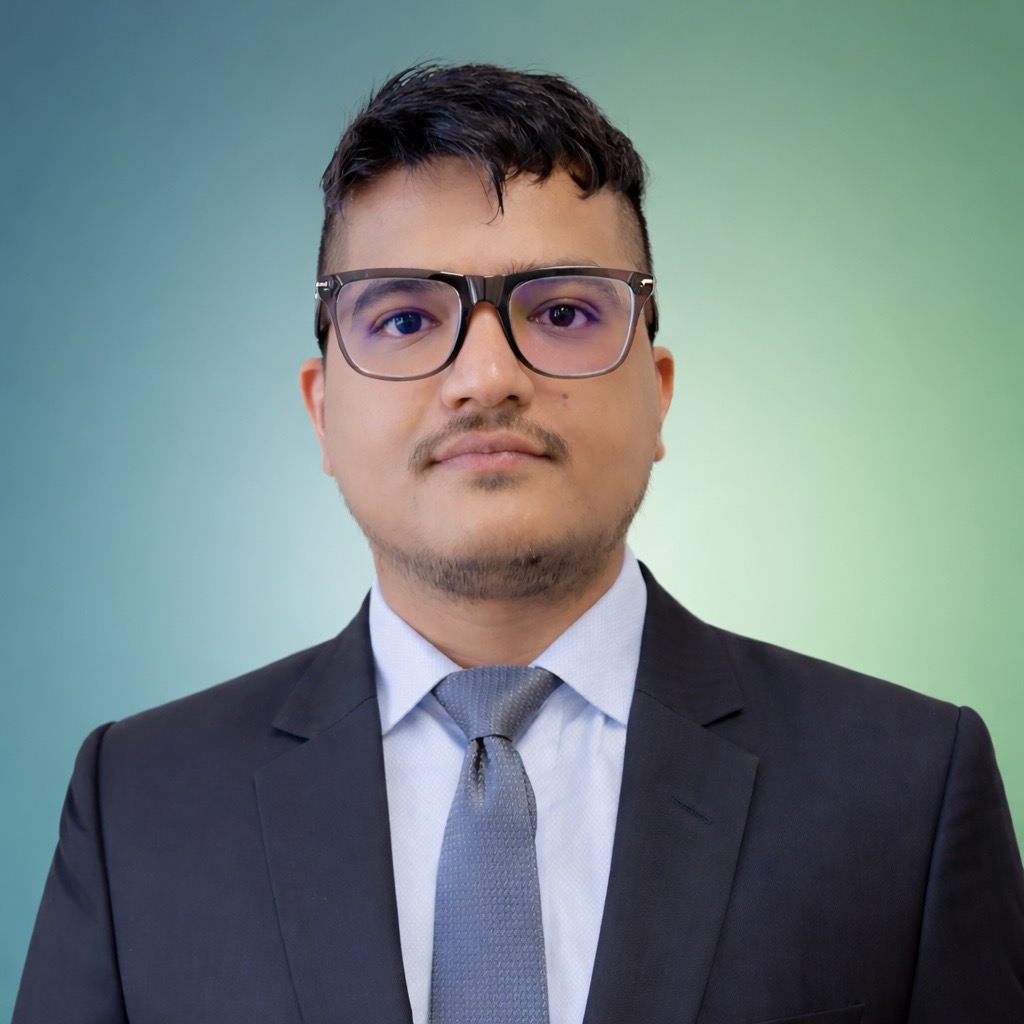
About five years ago, in Dec 2020, I was taken to the ER due to excruciating stomach pain. They found a small kidney stone, prescribed three medications, and discharged me.
After returning home, I review the discharge summaries to figure out the next step. There was a specialist's contact information printed on the paper, but I wasn't sure if I should call them immediately. Because I was also told that the stone could pass naturally. So, I decided to wait. I took my medications correctly, drank a lot of water, stayed active, and thankfully, without me knowing, I was able to pass that stone.
What was surprising was that, throughout my care journey, no one from the hospital called me to find out if I had scheduled an appointment with the next provider or taken my medications correctly.
Later, I joined one of the largest non-profit health systems and learned that it wasn't just me. Approximately 100M people in this country don't have primary care providers who can help them coordinate care after discharge. Many of these patient populations are labeled as cost drivers of healthcare, and they mostly come from rural, underserved, and vulnerable communities. These communities have clinical and social barriers preventing them from following their discharge summaries.
They may not understand how to take their medications correctly, schedule an appointment with the next provider, or even get to those appointments due to a lack of transportation. And because of these barriers, these individuals go back to hospitals for last-minute care.
I also got to see the reality of healthcare providers. They are struggling due to thin margins, clinician burnout, and high turnover. They lack the capacity to coordinate care for every patient.
And because of these interconnected problems, our healthcare system today is highly reactive and focuses mainly on addressing episodes rather than providing longitudinal care.
That's why 6 in 10 adults in the US live with at least one chronic disease, and about 90% of our healthcare spending goes towards managing chronic and mental health conditions.
Over the years, we evolved our strategy, from B2C and B2B to B2B2C, supporting all types of conditions, especially chronic conditions, through Casey.
Imagine my story had gone differently. Two days after my discharge, I receive a message from Casey. Casey asks me if I've picked up my prescriptions, walks me through how to take each medication, and confirms whether I understand when to call the specialist. A few days later, Casey checks in again, this time asking how I'm feeling and whether I need help scheduling a follow-up appointment. If I mention that I don't have a ride to the clinic, Casey flags that barrier immediately so a care team can step in. I'm no longer navigating recovery alone, and the hospital is no longer in the dark.
Casey supports patients who are forgotten by the system (rural, underserved, and vulnerable communities), patients who can't navigate care alone, patients who have behavioral challenges and can't open up due to stigma, patients who don't know how to ask for help, and patients who are unheard, rushed, or dismissed.
Casey supports organizations extending care continuity beyond hospital walls and teams responsible for outcomes after the patient leaves the hospital.
With Casey, providers reduce avoidable utilization and costs, improve care transitions, identify risks early, and achieve measurable improvements in patient experience and outcomes for more value-based shared savings.
Discharge is not the end of care. Let's collaborate to build a healthcare system that's connected, proactive, and personalized.
After returning home, I review the discharge summaries to figure out the next step. There was a specialist's contact information printed on the paper, but I wasn't sure if I should call them immediately. Because I was also told that the stone could pass naturally. So, I decided to wait. I took my medications correctly, drank a lot of water, stayed active, and thankfully, without me knowing, I was able to pass that stone.
What was surprising was that, throughout my care journey, no one from the hospital called me to find out if I had scheduled an appointment with the next provider or taken my medications correctly.
It seemed like no one cared, and I was forgotten after discharge.
Later, I joined one of the largest non-profit health systems and learned that it wasn't just me. Approximately 100M people in this country don't have primary care providers who can help them coordinate care after discharge. Many of these patient populations are labeled as cost drivers of healthcare, and they mostly come from rural, underserved, and vulnerable communities. These communities have clinical and social barriers preventing them from following their discharge summaries.
They may not understand how to take their medications correctly, schedule an appointment with the next provider, or even get to those appointments due to a lack of transportation. And because of these barriers, these individuals go back to hospitals for last-minute care.
I also got to see the reality of healthcare providers. They are struggling due to thin margins, clinician burnout, and high turnover. They lack the capacity to coordinate care for every patient.
And because of these interconnected problems, our healthcare system today is highly reactive and focuses mainly on addressing episodes rather than providing longitudinal care.
That's why 6 in 10 adults in the US live with at least one chronic disease, and about 90% of our healthcare spending goes towards managing chronic and mental health conditions.
Over the years, we evolved our strategy, from B2C and B2B to B2B2C, supporting all types of conditions, especially chronic conditions, through Casey.
Casey reduces avoidable ED visits, readmissions, and costs through proactive care coordination at scale.
Imagine my story had gone differently. Two days after my discharge, I receive a message from Casey. Casey asks me if I've picked up my prescriptions, walks me through how to take each medication, and confirms whether I understand when to call the specialist. A few days later, Casey checks in again, this time asking how I'm feeling and whether I need help scheduling a follow-up appointment. If I mention that I don't have a ride to the clinic, Casey flags that barrier immediately so a care team can step in. I'm no longer navigating recovery alone, and the hospital is no longer in the dark.
Casey supports patients who are forgotten by the system (rural, underserved, and vulnerable communities), patients who can't navigate care alone, patients who have behavioral challenges and can't open up due to stigma, patients who don't know how to ask for help, and patients who are unheard, rushed, or dismissed.
Casey supports organizations extending care continuity beyond hospital walls and teams responsible for outcomes after the patient leaves the hospital.
With Casey, providers reduce avoidable utilization and costs, improve care transitions, identify risks early, and achieve measurable improvements in patient experience and outcomes for more value-based shared savings.
Discharge is not the end of care. Let's collaborate to build a healthcare system that's connected, proactive, and personalized.
Anjan Pandey
Founder and CEO, healcovery
Founder and CEO, healcovery